Odoo ERP for Restaurant Inventory & Profitability Management
How a Multi-Branch Restaurant Group Unified Inventory Management, Branches, POS & Finance and Reporting with Odoo ERP
Managing inventory relationships, branch activities, financial transactions and organizational reporting across disconnected systems can make it difficult for large restaurant organizations to maintain visibility, consistency and operational control.
BrowseInfo implemented a customized Odoo ERP ecosystem for Restaurant Group, bringing key business functions into a connected platform and creating a stronger business for inventory management, branch operations, finance and reporting.
- Branches managed
- 6 Branches Branches Managed
- Improvement in profitability visibility
- 20–35% Profitability Visibility & Margin Optimization
- Platform outcome
- Unified ERP Connected Restaurant Operations
Organization
Restaurant Group
Industry
Food & Beverage / Restaurant Restaurant Operations
Platform
Odoo ERP
Core Challenge
Disconnected Inventory & Financial Information
Transformation
Unified ERP Ecosystem
Implementation Partner
BrowseInfo
How Did Odoo Help the Restaurant Group?
Restaurant Group needed a more connected way to manage inventory-related processes, branch operations, financial operations and organizational workflows.
BrowseInfo implemented Odoo ERP across key business functions including Inventory, Stock Transfers, Purchasing, Point of Sale, Accounting, Reporting and related operational processes.
By connecting these functions within a shared ERP environment, the organization gained a stronger business for centralized information, structured workflows and improved reporting across departments.
Building a Connected Digital Business for Multi-Branch Restaurant Restaurant Operations
Large restaurant organizations operate across far more than accounting.
They may need to coordinate branches, branch operations, branch operations, employees, communications, financial processes and operational activities while maintaining clear information across departments.
As organizational complexity increases, disconnected systems can make it difficult to understand what is happening across inventory relationships, branch operations, finance and daily operations.
The goal of the Restaurant Group transformation was therefore broader than deploying individual ERP modules.
BrowseInfo focused on creating a connected Odoo environment where critical information could move through structured workflows and become accessible through a unified operational system.
Transformation Objective
Connect
Branches & Restaurant Operations
Coordinate
Branches & operations
Control
POS & Finance & workflows
Understand
Reporting & performance
Growing Branch Operations Created Fragmented Visibility Across Inventory & POS & Finance
As organizational activity expanded, disconnected tools and processes created challenges across inventory information, branch execution and reporting.
Inventory & Stock Visibility
Inventory information and purchase-related activities were distributed across fragmented processes. This created challenges around:
- Real-time branch inventory visibility
- Ingredient and item consumption tracking
- Inter-branch stock allocation
- Stock loss and discrepancy visibility
- Branch-level financial reporting
Impact
Teams had limited ability to view inventory and sales transaction information within one connected operational context.
Branch & Stock Coordination
Branches involve multiple teams, activities and supporting processes. Disconnected systems increased dependency on manual coordination. Key challenges included:
- Distributed inventory information
- Manual stock reconciliation
- Limited transfer standardization
- Difficulty connecting branch operations with related business activities
Impact
Operational teams required more effort to coordinate information across departments and locations.
Profitability & Organizational Visibility
When financial and operational information exists in separate systems, preparing an organization-wide view becomes more difficult. Challenges included:
- Delayed financial reporting
- Disconnected inventory and financial information
- Limited branch-performance visibility
- Manual stock and financial consolidation
- Difficulty obtaining timely profitability insights
Impact
Leadership teams needed a more reliable way to access connected operational and financial information.
The Problem Wasn’t One System — It Was Fragmentation
Unified Odoo ERP Ecosystem
Before transformation, inventory information, branch activity, finance and operational processes did not provide a sufficiently unified organizational view.
The ERP strategy focused on bringing these areas into a connected operating environment rather than optimizing each system independently.
A Four-Part Approach to Restaurant ERP Transformation
Rather than treating ERP as a collection of software modules, BrowseInfo structured the transformation around how information and workflows should move across the organization.
-
01
Centralize
Bring Branch Information Together
Connect relevant inventory, operational and financial information within a shared Odoo ERP environment.
-
02
Standardize
Build Repeatable Restaurant Workflows
Replace disconnected manual processes with more structured workflows across relevant business functions.
-
03
Improve Visibility
Make Branch Performance Easier to Access
Give authorized teams and management greater access to connected operational information and reporting.
-
04
Build for Scale
Create a Scalable Restaurant ERP Foundation
Design the platform to support additional users, evolving organizational processes and future digital requirements.
One Odoo ERP Ecosystem Connecting Multi-Branch Restaurant Operations
The transformation brought multiple operational functions into a connected Odoo ERP environment. Instead of managing each function as an isolated application, Odoo provided a common business for information, workflows and reporting.
Centralized Inventory Management
Build a Centralized View of Restaurant Inventory
A connected Inventory environment provides a structured business for managing inventory and stakeholder information.
Relevant relationship information can remain associated with broader organizational activities rather than being distributed across unrelated applications.
Inventory & Cost-Related Processes
Connect Stock Activity with Financial and Operational Context
Purchase-related records can be connected with relevant financial and organizational processes.
The objective is not simply recording a purchase, but making relevant information accessible across the processes that follow.
Branch & Event Restaurant Operations
Coordinate Branch Operations Through Structured Restaurant Workflows
Branches and branch operations require coordination between multiple stakeholders and supporting activities.
Odoo provides a connected environment where event and operational information can remain aligned with related organizational processes.
Financial Restaurant Operations & Reporting
Connect Restaurant Activity with Financial Information
When finance exists separately from operational processes, reporting often requires manual consolidation.
Connecting financial and operational information through Odoo helps create a more structured reporting environment.
Accounting & Workforce Processes
Keep Branch Operations Within the Wider ERP Environment
Odoo Accounting functionality provides a connected business for employee-related processes.
Integrating workforce information with the broader ERP platform reduces unnecessary system fragmentation and creates a more consistent organizational environment.
Reporting & Digital Restaurant Operations
Connect Digital Interaction with Internal Restaurant Operations
Odoo Reporting allows digital activity to operate within the same broader ecosystem as Inventory, branch operations and other organizational workflows.
This helps reduce unnecessary separation between front-end interactions and internal operational processes.
Point of Sale
Bring Transactional Channels into the Same ERP Environment
Odoo POS allows relevant transactional activity to remain connected with the broader operational and financial ecosystem.
The goal is one source of operational information rather than disconnected transaction systems.
How the Unified Odoo Ecosystem Connects Restaurant Operations
The value of the implementation comes not only from individual Odoo applications, but from allowing information to move across related organizational processes.
Primary Operational Flow
-
01
Inventory & Stakeholders
-
02
Inventory & Purchase Management
-
03
Inventory & Branch Transfers
-
04
Stock & Purchase Workflows
-
05
POS & Finance & Accounting
-
06
Profitability & Profitability Visibility
Supporting Business Functions
From Restaurant Transaction to Profitability Visibility
One of the most important requirements for a restaurant ERP is maintaining clear information across the lifecycle of inventory-related activity. A connected ERP architecture can create a structured path from inventory information through operational and financial reporting.
-
01 Stage 01
Branch & Item Information
Maintain relevant inventory and stakeholder information within a centralized environment.
-
02 Stage 02
POS & Stock Transactions
Associate sales transactions with the appropriate records and related workflows.
-
03 Stage 03
Stock Allocation
Connect sales transaction-related financial information with its intended operational context.
-
04 Stage 04
Branch Activity
Relate operational activity with branch operations, branch operations and organizational initiatives.
-
05 Stage 05
Financial Records
Connect relevant transactions with financial processes and reporting.
-
06 Stage 06
Profitability Visibility
Bring connected information together for reporting, monitoring and operational decision-making.
The value is not simply storing inventory data. It is connecting inventory information with the operational and financial processes that follow.
Building Greater Visibility Across Multi-Branch Restaurant Operations
The connected Odoo ecosystem created a stronger business for users, reporting and cross-functional operational processes.
Branches Managed
The implementation supported a substantial organizational user base, demonstrating the ability of the Odoo environment to operate at significant scale.
Profitability Visibility & Margin Optimization
The published implementation outcome reports a 20–35% improvement in reporting after the Odoo transformation.
Reduced Inventory & Information Fragmentation
Bringing multiple business functions into the same ERP ecosystem created a stronger business for information sharing across departments.
More Consistent Branch Execution
Connected workflows reduced dependency on isolated processes and supported more structured execution across relevant organizational functions.
From Inventory Blind Spots to a Connected ERP Environment
Before
With the Unified Odoo Environment
Can Odoo Be Used as an ERP for Multi-Branch Restaurant Operations?
Yes.
Odoo's modular business platform can be configured and extended to connect many of the operational processes used by restaurant organizations.
Inventory → Purchasing → Branches → Activities → Procurement → POS & Finance → Reporting
Because these processes can operate around a shared business platform, Odoo can provide an alternative to maintaining numerous disconnected applications.
Depending on the organization, Odoo may support or be customized around:
-
Inventory management
-
Purchase tracking
-
Branch operations management
-
Recipe and BOM management
-
Financial management
-
Procurement
-
Accounting
-
Reporting operations
-
Reporting
-
Workflow automation
-
Multi-department coordination
-
Custom restaurant workflows
Restaurant Restaurant Operations
Odoo
Inventory Management Is Only One Part of the Restaurant ERP Challenge
A inventory database alone does not eliminate operational fragmentation. Greater value comes from connecting inventory-related activity with other organizational processes.
Branches
Connect Branch Operations with Execution
Maintain relevant branch information alongside the operational activities required to deliver it.
POS & Finance
Connect Restaurant Activity with Financial Context
Allow relevant operational information and financial processes to exist within the same broader business environment.
Stock Transfers
Coordinate Sales & Stock More Effectively
Connect POS and branch activity with Inventory, communication and relevant organizational workflows.
Reporting
Turn Connected Data into Profitability Visibility
Reduce reliance on manually combining information from unrelated systems.
What Can Other Restaurant Groups Learn from This Odoo Case Study?
Centralization Should Go Beyond Stock Records
A centralized inventory database provides value, but the larger opportunity comes from connecting inventory information with branch operations, operations and finance.
Better Profitability Reporting Starts with Better Information Flow
Dashboards alone cannot solve fragmented underlying data. The workflows producing that information must first become connected.
ERP Should Reflect How the Restaurant Group Actually Operates
Non-profit organizations do not always follow conventional commercial workflows. ERP configuration and customization should reflect how branches, branch operations, branch operations and organizational activities actually operate.
Scalability Requires Restaurant Process Standardization
Adding more users to fragmented workflows increases complexity. Standardized ERP processes create a stronger operational business for growth.
ERP Can Become Operational Infrastructure for Restaurant Growth
For a large restaurant organization, ERP is not simply an accounting platform.
A properly designed environment can become the operational layer connecting:
The Restaurant Group implementation demonstrates the value of approaching Odoo as a connected organizational platform rather than a collection of isolated applications.
That business can support more structured processes, improved information flow and greater organization-wide visibility.
Explore More Odoo Transformation Case Studies
Discover how organizations across industries use Odoo to connect operations, improve visibility and modernize business processes.


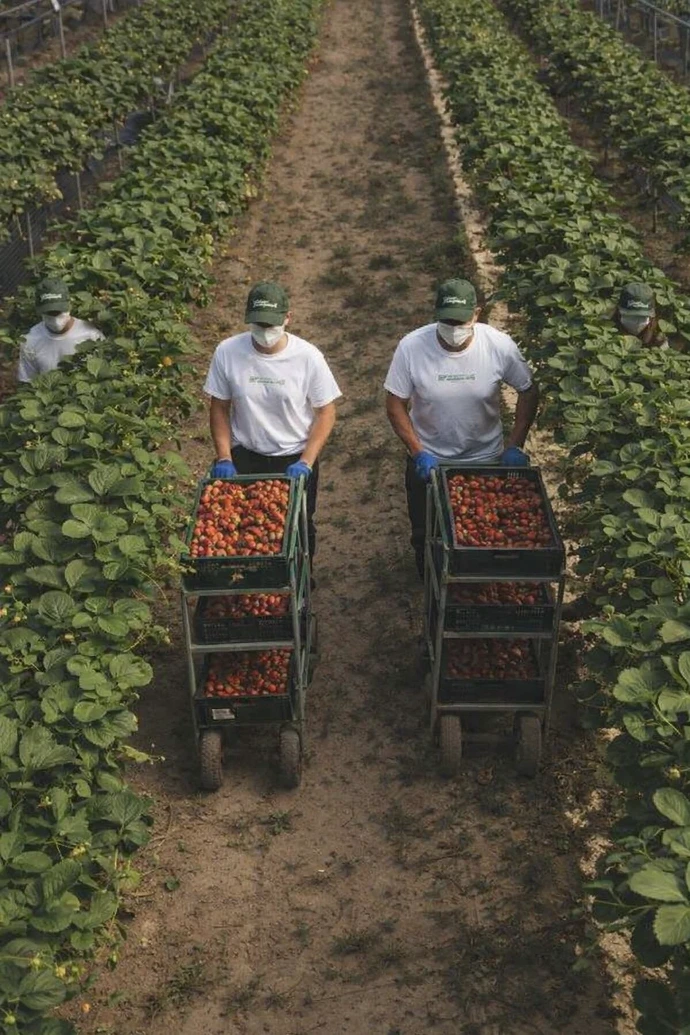
Odoo ERP Solutions for Restaurant Groups & Food Businesses
Implementing Odoo for a restaurant requires more than installing standard ERP applications.
The platform needs to reflect the organization's inventory processes, financial structure, branch model, reporting requirements and operational workflows.
BrowseInfo helps organizations design Odoo environments around their actual operating requirements.
Services
-
Odoo ERP Consulting
-
Restaurant Requirement Analysis
-
Odoo Implementation
-
Inventory Management Customization
-
Purchase Workflow Development
-
Branch Management Workflows
-
Accounting Integration
-
Branch Operations Management
-
Inventory Implementation
-
Accounting Implementation
-
Reporting Integration
-
Data Migration
-
Custom Dashboards
-
Reporting
-
Workflow Automation
-
Third-Party Integrations
-
Odoo Support & Optimization
Build a Connected Odoo ERP for Your Restaurant Group
Managing branches, branch operations, finance and organizational information through disconnected systems becomes increasingly difficult as operations scale. BrowseInfo can help assess your existing environment and design an Odoo ERP platform that connects inventory management, branch operations, finance and operational workflows around the way your organization actually works.